Fever in Children: When to Worry and When to Relax
Most fevers in children are a sign the body is fighting an infection and can be safely cared for at home with fluids, rest, and comfort. Worry, and call us right away, when a baby under 3 months has a temperature of 100.4°F or higher, or when fever comes with warning signs like trouble breathing, a stiff neck, or a child who is hard to wake.
Few things make a parent's heart race like a hot forehead in the middle of the night. At Pediatric Partners of Gwinnett, we hear from families in Conyers, Lilburn, Loganville, Norcross, Peachtree Corners, and Winder about fevers every day, and we're here to help you sort out what's normal and what needs attention.

What temperature counts as a fever in a child?
In general, a temperature of 100.4°F (38°C) or higher is considered a fever. How you take the temperature matters:
- Under 3 months: A rectal temperature is the most accurate.
- 3 months to 4 years: Rectal, forehead (temporal artery), or under-the-arm readings can work.
- 4 years and older: An oral thermometer is usually accurate once your child can hold it under the tongue.
Under-the-arm readings tend to run a bit low, and touching the forehead can't tell you the actual number. When you call us, let us know the reading and how you took it.
Is a fever actually helpful?
Yes, in most cases a fever is a good sign that your child's immune system is doing its job. A higher body temperature helps the body fight off viruses and bacteria, and most fevers come from common viral illnesses that run their course.
The number on the thermometer doesn't always tell you how sick your child is. A child with a 102°F fever who is playing and drinking well is often less concerning than a child with a lower fever who is listless and won't drink. How your child looks and acts is just as important as the reading.
How can I keep my child comfortable with a fever?
The goal of fever care is comfort, not bringing the number down to normal. These simple steps help:
- Offer plenty of fluids. Water, breast milk, formula, or popsicles help prevent dehydration.
- Dress them lightly. Use one light layer and a light blanket. Bundling up can trap heat.
- Encourage rest. Quiet play or cuddling on the couch is just fine.
- Try a lukewarm bath or sponge. Skip cold water, ice, and rubbing alcohol, which can cause shivering or be harmful.
- Keep the room comfortable, not too warm or too cool.
If your child is resting comfortably, there's no need to wake them to check their temperature or give medicine.
How much fever medicine should I give my child?
Fever reducers like acetaminophen and ibuprofen can help an uncomfortable child feel better. The right dose is based on your child's weight, not their age, and products come in different strengths. That's why we always recommend checking with us before giving a dose.
A few important safety notes:
- Use the dosing device that comes with the medicine, never a kitchen spoon.
- Don't give ibuprofen to babies under 6 months unless a doctor tells you to.
- Call us before giving any fever medicine to a baby under 3 months.
- Never give aspirin to children or teens.
- Check labels so you don't double up on the same ingredient in combination cold products.
Our Medicine Dosages page has acetaminophen and ibuprofen information, along with tips on using liquid medicines safely. If you're unsure about your child's dose, just give us a call. We're happy to help.
When should I call the pediatrician about a fever?
Call Pediatric Partners of Gwinnett right away if:
- Your baby is under 3 months old with a temperature of 100.4°F or higher. Fever in young infants always needs prompt medical attention, even if the baby seems fine.
- Your child is under 1 year old with a temperature of 100.4°F or higher.
- Your child is over 1 year old with a fever of 102°F or higher plus other symptoms, such as a rash, stiff neck, vomiting, or headache.
Also call us if:
- The fever lasts longer than three days.
- Your child has persistent pain, such as ear pain or a sore throat.
- Your child has a widespread rash.
- Your child isn't drinking well or has fewer wet diapers than usual.
- You're worried. You know your child best, and you never need a reason to call.
We offer same-day sick visits, and calling early in the day gives you the best chance of getting in.
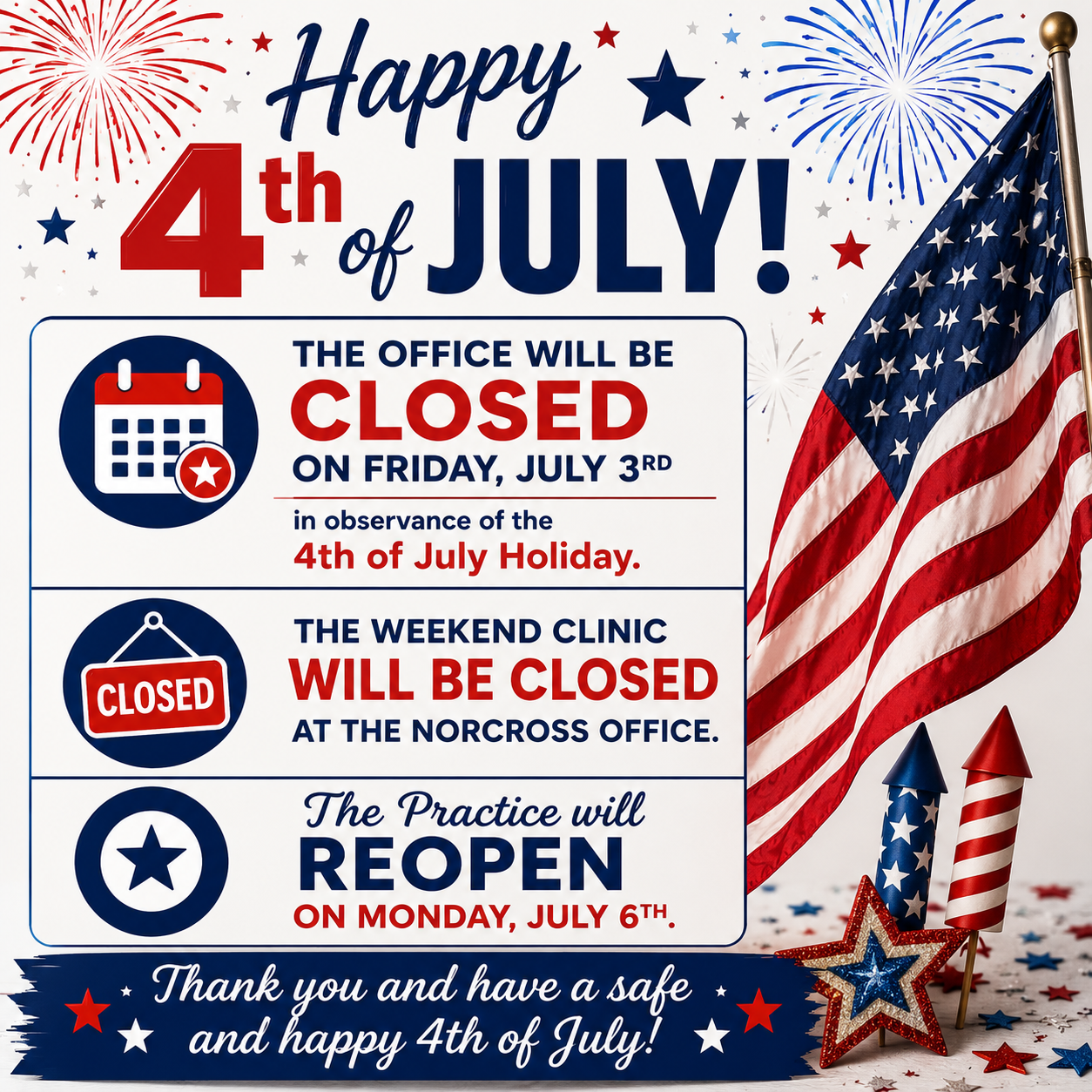
Our Loganville office is open until 9:00 PM Monday through Friday for after-hours care, and our Norcross location has a weekend clinic. When the office is closed, our after-hours nursing advice line is available 24/7.
When should I take my child to the ER for a fever?
Call 911 for any life-threatening emergency, such as loss of consciousness or a seizure. Go to the emergency room or call 911 if your child with a fever:
- Is having trouble breathing, or is breathing very fast
- Has blue or gray lips, skin, or nails
- Is very hard to wake, limp, or unresponsive
- Has a stiff neck, a severe headache, or seems confused
- Has a purple or dark red rash that doesn't fade when pressed
- Shows signs of serious dehydration, such as no urine for 8 hours or more, no tears, or a dry mouth
- Can't be comforted or cries in a way that doesn't sound normal
If you're not sure whether it's an emergency, call us. Our nurses can decide if your child needs immediate care and direct you to an appropriate facility.
Frequently asked questions
Can a high fever cause brain damage?
Fevers from common infections do not cause brain damage. Only extremely high body temperatures, usually from outside heat like a hot car, are dangerous in that way.
What is a febrile seizure?
Some young children, usually between 6 months and 5 years, can have a brief febrile seizure when they have a fever. These are frightening to watch but usually harmless. Call 911 if your child has a seizure, and let us know afterward.
Should I alternate acetaminophen and ibuprofen?
Please check with us first. Alternating medicines can lead to dosing mix-ups, and it is often not needed for comfort.
Can my child go to school or daycare with a fever?
Keep your child home until they have been fever-free for at least 24 hours without fever-reducing medicine.
Should I wake my child to give fever medicine?
No. Sleep is good medicine. If your child is resting comfortably, let them sleep.
Have questions about your child's fever? We're here to help.
You don't have to figure out fevers on your own. The pediatricians at Pediatric Partners of Gwinnett care for children in Conyers, Lilburn, Loganville, Norcross, Peachtree Corners, and Winder, and we offer same-day sick visits when your child needs to be seen.
Worried about a fever? Call us at 770-923-6400 or request an appointment through our Patient Portal. We'll help you take the next step with confidence.